
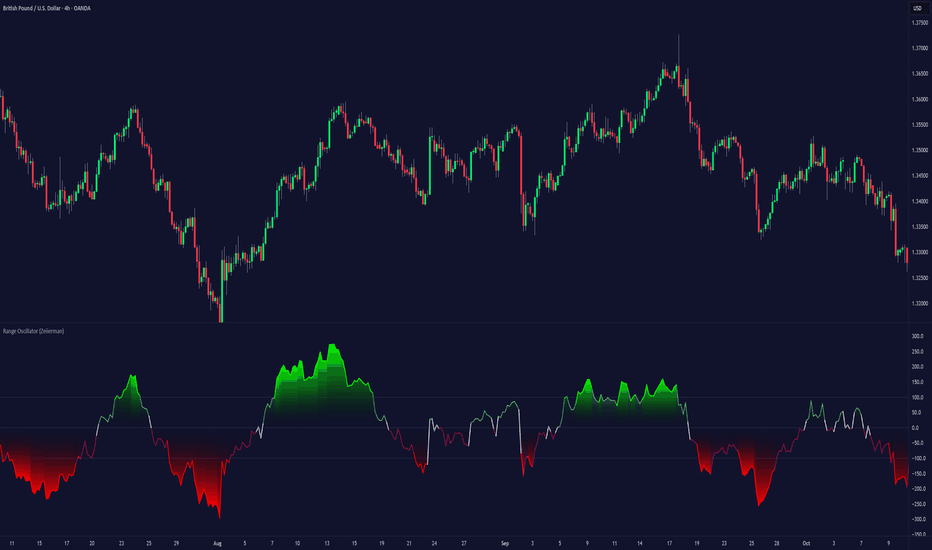
In their quest to know the wider market forces, traders tend to watch the correlated assets to know how they are likely to move. The TradingView charts are a powerful tool to monitor the correlation between different currencies, commodities, indices, and cryptocurrencies and, by doing so, visualize the relationships and interdependencies. Through understanding the price responses of one asset against another, traders are able to spot hedging opportunities, validate trade setups, and augment risk management strategies.
Correlation patterns are important in informed trading decisions. Positive correlations denote that two assets are inclined towards the same direction whereas negative correlations denote the opposite direction. The TradingView charts have the ability to overlay several assets or even visualize these associations through comparison tools. The analysis of the trends of historical correlations allows the traders to predict the reactions of one of the markets to changes in another, allowing them to make trade choices on a better timeline and be precise in their trade strategy.
When analyzing correlated assets, levels of support and resistance are also important. An explosion of one asset can affect the action of a correlated instrument around the significant levels. Traders may label such areas with TradingView charts and view the response of the price in several markets at a time. This visually based strategy assists traders in identifying opportunities in which trends of correlation validate or invalidate the probable trade indications to improve the validity of decision making.
The technical indicators may be applied to each correlated asset to analyze them in a multi-dimensional manner. Moving averages, RSI, and MACD are tools that allow understanding of the strength of the trend, momentum, and the possibility of reversals. When the indicators are plotted on TradingView charts of correlated assets, a trader can compare the indicators across markets and identify cases where correlated market indicators suggest more probable trades. This integration assists in making entries and exits more accurate and enhances the risk management.
Observation of more than one time period makes the correlation profile more balanced. Short-term charts display short-term responses among the assets whereas longer-term charts demonstrate long-term associations. The TradingView charts give the trader a chance to toggle through the timeframes or keep multiple assets in the chart so that correlation can be evaluated both on the short-term and long-term. This strategy is useful to prevent trades that are carried out in response to short-term or misleading signals and to enable more strategic positioning.
TradingView alerts make charts more responsive to correlated assets at key levels. The traders can put notices on the price movements, indicators or fluctuations in correlation such that when a specific action is required to be taken it can be done at the right time without the need of watching it. This mixture of signals and examination of visual graphs allows traders to act promptly to possible opportunities and be disciplined and exposure-controlled.
Risk management is also provided with more insight by the historical correlation data. Behavior history of correlated assets may indicate persistent tendencies and exceptions and help traders to advance in the trade strategies and determine appropriate levels of stop-loss and take-profit. Following these trends on TradingView charts creates a visual reference library, which develops analytical power and confidence to make decisions with time.
The use of TradingView trading charting has enabled traders to acquire skills of being systematic and disciplined in trading correlated assets. Traders can predict the market movements, risk management, and trade with precision through visual comparison, technical indicators, Multi-timeframe analysis and alerts. Such strategy implementation methodology can guarantee that decision support is backed by an articulate vision of inter-market forces and potential relationships.