
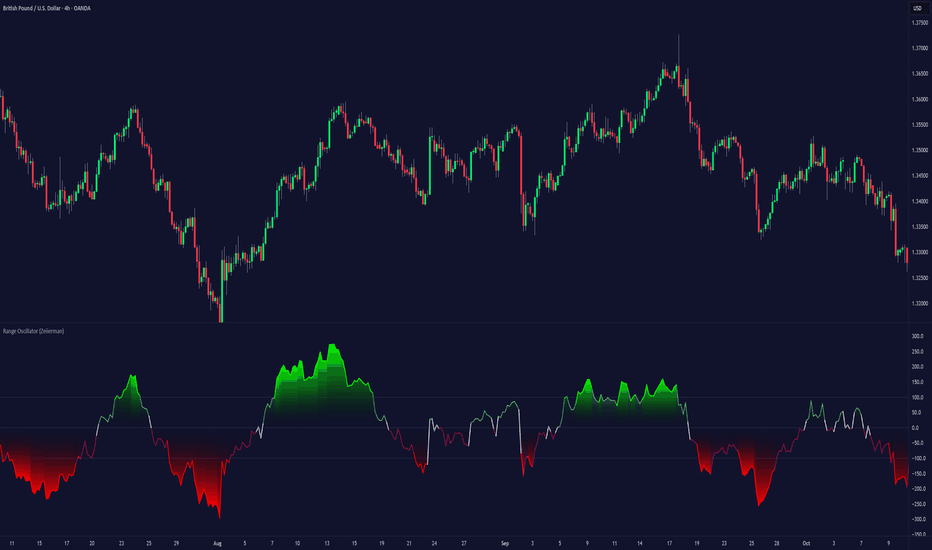
Detailed record-keeping is habitually used by traders aiming to advance their performance, and the combination of a trading journal and TradingView charts could significantly benefit the analysis of the strategies. TradingView charts offer a graphic interface on which traders can note entries, exits, and observations of the market, thus, it becomes easier to follow the reasoning and the results of trades. Connecting journal notes to chart patterns, technical indicators, and price action, traders develop a system of evaluating choices, identifying common errors, and improving those strategies in the long run.
None of the disciplines are achieved without recording trades as well as chart observations. The annotation features of TradingView provide traders with the ability to label trade entries, stop-loss, and take-profit targets, and the rationale of every decision. This graphic depiction provides journal entries with tangible evidence to back them up as opposed to memory. Through a systematic record of both quantitative and chart-related background, traders are offered more insight as to what would make them successful or unsuccessful in their trade.
Journal notes are more helpful than technical analysis since they make technical analysis more actionable. On TradingView charts, traders are able to label the support and resistance levels, trendlines, and candlestick patterns and keep track of those annotations in their journal. The possibility to connect indicators like RSI, MACD, or Bollinger Bands with particular trades helps a user to understand which signals are useful historically. Such integration in the long-term enables traders to check the tendencies of their actions and which arrangements could lead to beneficial results on a regular basis.
The understanding about volume and price action would be valuable particularly when applied together with the trading journals. By noting the market response at key levels, market traders can calculate the effect of volume spikes, momentum shifts, or trend reversals on the outcome of trade. The pictorial format to record such observations is through TradingView charts, and the journal is the perspective to the reasoning and emotional responses of each trade. This two-fold approach will boost analytical skills and mindfulness that are core to the seamless running of the trading activity.
The fact that it can track multiple timeframes increases journal integration. Short-period charts indicate the actual points of entry and movements in the day of the week as opposed to long-period charts to provide references of the general trends in the market. The fact that trades can be annotated at different times on TradingView charts, and a journal of such trades can be captured, thus, offers a chance to the trader to consider how their choices could be adjusted to the conditions both in the short-term and in the market as a whole. The practice eliminates trades that are solely anchored on isolated or deceptive signals.
Journal tracking can be used with alerts on TradingView charts that point to important levels or indicator alerts. Assessing the impact of alerts on traders’ decisions can include whether they took the trade immediately or waited for further confirmation. This data adds value to the trading journal which can be used to take action in terms of improving entry strategies, timing, and risk management strategies.
The historical trades in TradingView charts coupled with journal entries allow one to recognize patterns and improve strategies. Demonstrating successful and unsuccessful trades in writing and recording related journal notes forms a library of references of setups, errors, and learning. This is a systematic way of evaluating the past performance of traders, revising the strategies, and strengthening the discipline in trading.
Combining trading journals with TradingView charts leads to the development of a systematic data-driven trading approach. Traders can detect strong and weak points, and optimize their strategies by adding the visual chart annotations, technical indicators, multi-timeframe analysis, volume knowledge, and alerts with detailed journal records. It is a systematic approach which aids in long-term and short-term trading by facilitating ongoing learning, disciplined action, and making better-informed choices.