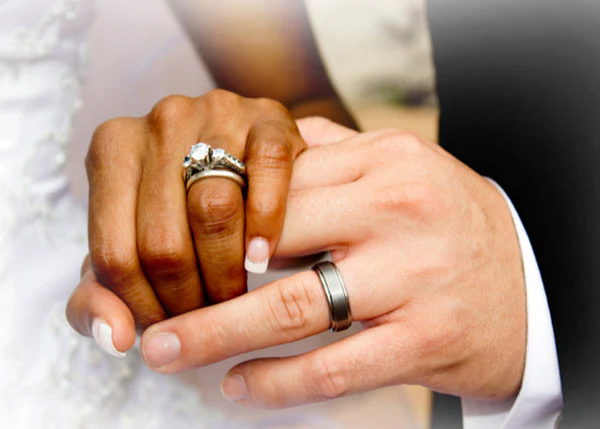
The men’s wedding rings are often overlooked in the marriage ceremonies, but they are equally important as women’s wedding rings. The modern world, where men’s wedding rings get more attention than ever before, demands stylish and modern designs that symbolise their love, affection and reflect the groom’s personality and preferences. Mens wedding rings in Scottsdale offer that opportunity for men to bring their choices and preferences into the spotlight. The design options available to contemporary grooms have expanded as this symbolism develops, accounting for elements like materials, cultural backgrounds, and even the impact of well-known personalities.
This article aims to offer an in-depth analysis of men’s wedding rings, exploring their importance, changing perceptions, and sources of inspiration from various cultures and trends.
Men’s Wedding Ring History
Exchanging wedding rings is a traditional practice. As a sign of unending love, couples in ancient Egypt exchanged rings fashioned of braided reeds. The ancient Romans used wedding rings to denote a woman’s formal acceptance into her husband’s family since they were seen as a symbol of ownership. However, the tradition of giving men’s wedding rings did not become widespread until the 20th century.
The Historical Significance of Men’s Wedding Rings
In the past, men’s wedding rings have often been disregarded and eclipsed by their female counterparts. But they play an equally important role. Wearing a wedding band has become a visible sign of commitment for males. A man’s lack of a ring on his finger used to indicate that he was either single or unconcerned about marriage.
Men’s wedding bands are changing along with society. These days, they work as a medium for self-expression and come in a variety of materials and forms that speak to specific identities. The different options, whether they are made of modern titanium or traditional gold, honor their historical value while reflecting the various aspects of contemporary manhood.
The wedding ring conveys both history and hope, much like a tale that unites two lives.
Men’s wedding rings are essentially a rich tapestry made of social, cultural, and emotional threads when viewed through a historical lens. The transition from straightforward grass bands to elaborate metal patterns captures shifting perspectives on marriage, dedication, and masculinity.
Contemporary Men’s Wedding Ring Interpretations
The aesthetics and meanings of traditional symbols, such as wedding rings, change along with society. Modern interpretations of men’s wedding bands are a reflection of greater shifts in social standards, gender roles, and personal identity. Grooms are encouraged by this wave of change to consider choices that really speak to their uniqueness.
These rings are now declarations of individual style and self-expression rather than just emblems of marital dedication. This section highlights important factors influencing modern decisions and their implications.
Shifting Perceptions of Wedding Jewellery
Men’s perceptions of wedding rings have changed significantly. In the past, men’s wedding jewellery was frequently modest and limited to plain bands. Today’s grooms, however, are changing the rules. They are more receptive to strong designs that express personal significance and a variety of materials. Intricate engravings and gemstone inlays are examples of designs that were formerly associated with women but are now becoming more and more popular among males.
- Smart Choices: A lot of contemporary men see their wedding bands as an extension of their individual fashion sense. They are spending more time investigating possibilities, traversing styles, and delving into the backstories of materials as a result of this change.
- Symbolic Relationships: Additionally, the cultural significance of bridal jewellery has expanded. These days, men view their rings as a symbol of their dedication to both themselves and their partners.
- Social Influence: It is impossible to overlook the influence of social media and celebrity culture. Trends are fueled by popular sites, which enable grooms to display their own preferences.