
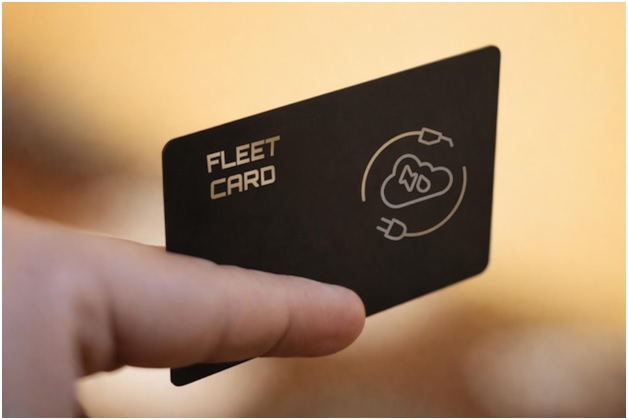
In the complex world of modern logistics and transport, managing a fleet efficiently requires more than just reliable vehicles and skilled drivers. As operations grow increasingly diverse—with diesel lorries sharing roads alongside electric vans and hybrid cars—businesses need sophisticated tools to control costs, ensure compliance, and maintain smooth day-to-day running. This is where fleet mobility card issuing comes into play. By enabling companies to issue tailored payment solutions for fuel, charging, maintenance, and related expenses, it provides a streamlined way to oversee spending across varied vehicle types.
For mixed transport fleets, which combine traditional combustion engines with newer electric and hybrid models, effective card issuing systems represent a significant step forward in operational management.
Understanding Fleet Mobility Card Issuing
Fleet mobility card issuing refers to the process of creating, distributing, and managing specialised payment cards designed specifically for commercial vehicle fleets. Unlike standard corporate credit cards, these are purpose-built tools that offer granular controls over where, when, and how funds can be spent. They typically cover fuel purchases, electric vehicle (EV) charging, vehicle repairs, tolls, parking, and sometimes even driver-related expenses like meals during long hauls.
Modern systems go beyond basic transaction processing. They incorporate real-time authorisation, spending limits set by vehicle or driver, and detailed reporting capabilities. Issuers—often technology providers or financial partners—use secure platforms to generate physical cards, virtual cards, or even tokenised digital options compatible with mobile wallets. This flexibility is crucial in today’s environment, where fleets must adapt quickly to fluctuating fuel prices, regulatory changes, and the shift towards sustainable transport.
The technology behind these cards has evolved considerably. Advanced platforms support closed-loop systems (restricted to specific networks), open-loop acceptance (usable at a wide range of merchants via Visa or Mastercard), or hybrid models that offer the best of both worlds. For mixed fleets, hybrid solutions stand out because they allow seamless handling of both traditional fuel and EV charging without requiring multiple card types.
The Challenges of Managing Mixed Transport Fleets
Mixed fleets present unique hurdles that generic payment methods struggle to address. A delivery company operating both heavy goods vehicles (HGVs) on diesel and last-mile electric scooters, for instance, faces fragmented expense tracking. Fuel types differ, pricing structures vary, and data from charging stations often arrives in incompatible formats.
Without proper tools, fleet managers contend with:
- Inconsistent cost visibility: Manual receipt collection and reimbursement processes are error-prone and time-consuming.
- Fraud risks: Fuel theft, unauthorised purchases, or card skimming remain persistent threats in high-volume operations.
- Compliance burdens: Varying VAT rules, emissions reporting, and cross-border requirements add layers of complexity.
- Scalability issues: As fleets expand or electrify, legacy systems often fail to keep pace.
These challenges can erode margins quickly. Inefficient fuel management alone can account for significant wasted expenditure, while poor visibility into maintenance spending leads to unexpected downtime.
Key Benefits for Mixed Fleets
Implementing robust fleet mobility card issuing delivers tangible advantages that directly impact the bottom line and operational resilience.
Enhanced Cost Control and Efficiency
Custom rules allow managers to set limits on fuel volumes, restrict purchases to approved locations, or cap spending during certain hours. Real-time data feeds help identify inefficiencies—such as routes with poor fuel economy or drivers deviating from planned refuelling stops. For mixed fleets, this means unified tracking of petrol, diesel, and electricity costs in one dashboard, enabling better budgeting and negotiation with suppliers.
Improved Fraud Prevention
Sophisticated systems use AI-driven risk scoring to analyse transactions as they occur. Suspicious activity—whether a card used at an unusual location or an anomalous fuel volume—triggers instant alerts. This layered security is vital for fleets spread across large geographic areas, where physical oversight is limited.
Streamlined Administration and Reporting
Gone are the days of chasing paper receipts. Digital records provide comprehensive insights into spending patterns, vehicle performance, and driver behaviour. Automated invoicing, VAT handling, and integration with existing accounting software reduce administrative overhead, freeing teams to focus on core business activities.
Support for Sustainability Goals
As organisations transition to greener fleets, mobility cards that accommodate EV charging infrastructure become indispensable. They offer visibility into energy consumption, helping track progress towards net-zero targets and optimise charging schedules to take advantage of lower electricity rates.
Greater Flexibility and Scalability
Whether operating locally or internationally, modern issuing platforms support multi-currency transactions, diverse vehicle types, and rapid card issuance. This adaptability proves especially valuable during periods of growth or when incorporating new technologies like connected vehicles.
Choosing the Right Solution
Selecting a fleet mobility card provider requires careful consideration. Look for platforms that offer modular functionality, strong API integrations, and proven fraud management capabilities. Solutions should scale effortlessly and provide expert support to navigate implementation.
Providers with deep industry experience understand the nuances of mixed fleets and can tailor systems accordingly. Features like remote card locking, vehicle identification technologies (such as RFID or NFC), and mobile app integration further enhance usability for both managers and drivers.
Real-World Impact
Consider a mid-sized logistics firm running 200 vehicles, half of which are electric. By adopting advanced card issuing, the company gains precise control over energy costs, reduces fraudulent transactions by a notable margin, and cuts administrative time significantly. Drivers appreciate the convenience of contactless payments and clear spending guidelines, while management benefits from data-driven decisions that improve route planning and vehicle utilisation.
Over time, these improvements compound. Lower operational costs, reduced risk, and better compliance position the business competitively in a demanding market.
Looking Ahead
The transport sector continues to evolve rapidly, driven by technological advancements, regulatory pressures, and environmental imperatives. Fleet mobility card issuing is no longer a nice-to-have but a strategic necessity for organisations aiming to thrive with mixed fleets.
By embracing these solutions, businesses can transform what was once a fragmented expense area into a source of efficiency and insight. As mixed transport becomes the norm rather than the exception, investing in sophisticated card management systems will distinguish leaders from those merely keeping pace.
In an industry where every penny and every minute counts, the ability to issue and manage mobility payments effectively can make all the difference. Exploring tailored options that align with your specific fleet composition and operational goals is a worthwhile step towards greater control and future readiness.