
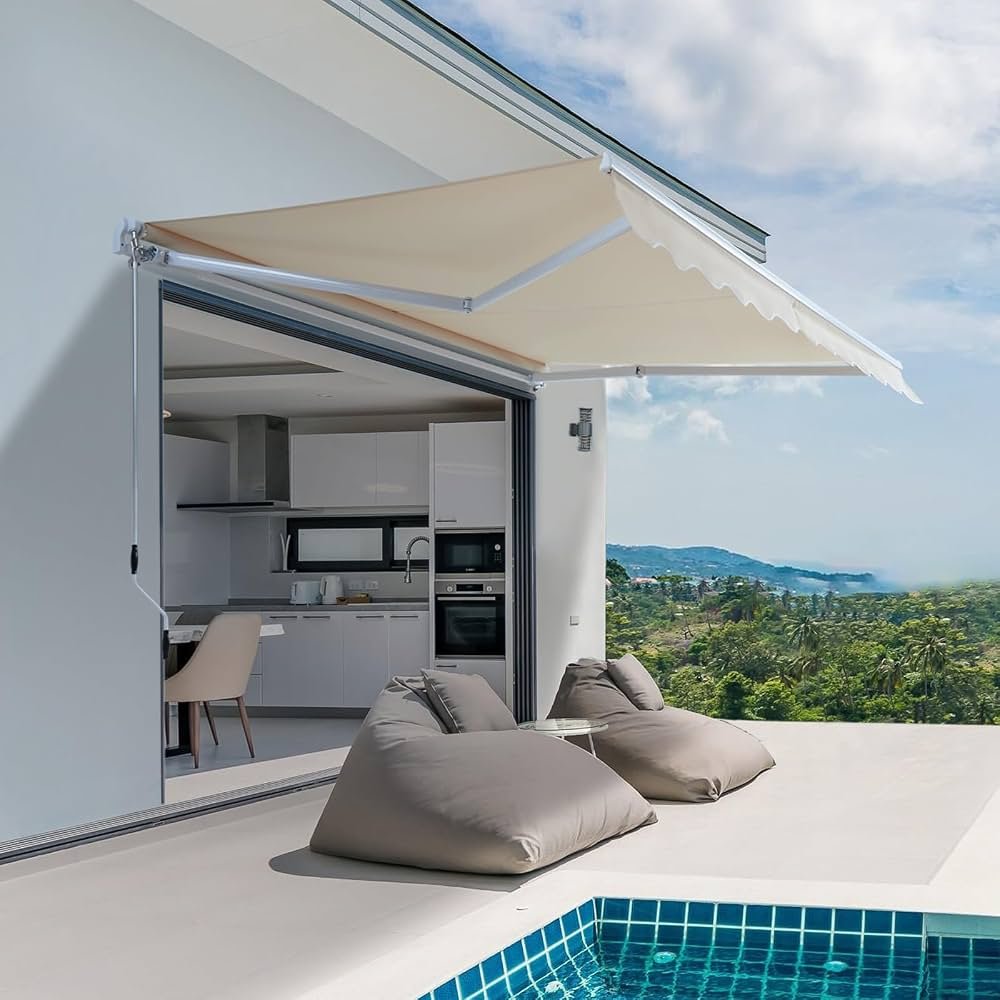
Creating more usable space at home does not always require major building work. While traditional extensions can provide additional indoor rooms, they often involve considerable expense, planning and disruption. Making better use of existing outdoor areas offers a practical alternative, allowing homeowners to enjoy additional space without changing the property’s main structure.
A well-designed patio, sheltered terrace or covered seating area can create a comfortable connection between the house and garden. Installing a waterproof retractable awning can provide flexible protection from sunshine and rainfall, helping homeowners use their outdoor space more frequently throughout the year.
Make Better Use of Your Existing Outdoor Space
Before considering structural changes, examine how effectively your current outdoor space is being used. Gardens, patios and terraces often have considerable potential, but exposure to changing weather conditions can limit their usefulness.
An outdoor area that receives strong afternoon sunlight may become uncomfortable during warmer months. Similarly, an uncovered patio may remain unused during light rainfall, even when temperatures are pleasant.
Introducing suitable overhead shelter can address these limitations without requiring a permanent enclosed room. The objective is to create a functional space that supports everyday activities while remaining connected to the surrounding garden.
Consider how the area will be used before choosing furniture, shelter or flooring. Dining, reading and entertaining have different requirements for space, lighting and weather protection.
Create a Comfortable Connection Between Indoors and Outdoors
An effective outdoor living area should feel like a natural continuation of the home rather than an entirely separate space.
Positioning seating or dining furniture near patio doors can improve accessibility and encourage regular use. Choosing complementary colours and materials can also create visual consistency between indoor and outdoor areas.
Flooring plays an important role in this connection. Decking, paving and outdoor tiles can provide practical surfaces, provided they are suitable for external conditions and have appropriate drainage.
Furniture should be arranged to allow comfortable movement between the house and garden. Avoid overcrowding smaller patios, as restricted access can make the space less convenient.
The aim is to improve the relationship between existing spaces without introducing unnecessary construction.
Choose Flexible Shelter for Changing Weather
The British climate makes weather protection an important consideration when planning outdoor living areas.
Permanent roofs provide consistent overhead coverage but may reduce natural light entering neighbouring rooms. Retractable systems offer greater flexibility because they can be extended when shelter is needed and withdrawn when conditions are suitable.
A waterproof retractable awning can help protect an outdoor seating area from rainfall while providing shade during sunny periods. However, waterproof performance depends on the fabric, canopy angle and drainage arrangements.
Water-resistant and waterproof materials are not necessarily the same. Water-resistant fabrics may repel light showers but can become saturated during prolonged rainfall. Waterproof fabrics are manufactured to prevent water passing through the material under their specified conditions.
Even waterproof awnings have operating limitations. Strong winds, heavy rainfall and accumulated water can place significant pressure on the structure. Always follow the manufacturer’s recommendations regarding safe use.
Plan the Layout Before Making Changes
Careful planning helps ensure that an outdoor living area remains practical, comfortable and suitable for its intended purpose.
Several considerations should influence the design:
- Available space: Measure the patio or terrace accurately before choosing furniture or overhead shelter.
- Sunlight direction: Observe how sunlight moves across the area throughout the day.
- Drainage: Ensure rainwater can move away from the property and does not collect around doors or foundations.
- Privacy: Consider appropriate screening if neighbouring properties overlook the seating area.
- Accessibility: Keep entrances, walkways and garden access routes clear.
- Maintenance: Choose materials that can withstand outdoor conditions without demanding excessive upkeep.
Addressing these factors early can prevent unnecessary alterations and improve the long-term usefulness of the space.
Improve Comfort With Suitable Lighting and Furniture
Creating additional living space involves more than installing shelter. Furniture, lighting and practical accessories influence how comfortably the area can be used.
Weather-resistant seating and dining furniture are sensible choices for uncovered or partially sheltered environments. Materials should be selected according to their maintenance requirements and suitability for outdoor exposure.
Outdoor lighting can make the area more practical during darker evenings. Wall-mounted lights, suitable garden lighting and carefully positioned fixtures can provide illumination without overwhelming the surroundings.
Any electrical installations should use equipment rated for outdoor conditions. Where fixed wiring is required, consult a qualified electrician to ensure the installation meets applicable safety requirements.
Portable furnishings, removable cushions and suitable storage can also help keep the area organised when it is not being used.
Understand Installation and Structural Considerations
Although creating a sheltered patio may involve less disruption than constructing an extension, installation still requires careful assessment.
Wall-mounted awnings must be fixed to a suitable supporting structure. The condition of the wall, fixing arrangement and loads placed on the brackets all influence installation safety.
External insulation, older masonry and certain wall constructions may require specialist assessment before fittings are installed.
Homeowners should also check whether planning permission or other approvals are necessary. Requirements can vary according to the property, installation and location. Listed buildings and properties subject to additional planning restrictions may require further consideration.
Professional advice is valuable when structural suitability, safe fixing methods or local planning requirements are uncertain.
Consider Long-Term Maintenance and Weather Protection
Outdoor installations need appropriate maintenance to remain safe and functional.
Retractable shelters should be inspected periodically for visible wear, loose components and operating difficulties. Fabric surfaces may require gentle cleaning according to the manufacturer’s instructions.
Allowing wet fabric to dry before prolonged storage can help reduce moisture-related problems. Moving mechanisms should also be operated and maintained as recommended by the supplier.
During severe weather, retractable equipment should be secured according to its operating instructions rather than left extended unnecessarily.
Regular care helps homeowners identify developing problems before they affect the usability or safety of the outdoor space.
Wrapping Up
Extending your living space does not necessarily mean building additional rooms. Thoughtful outdoor planning, appropriate shelter, practical furniture and suitable lighting can make existing patios and gardens more comfortable and useful. A waterproof retractable awning offers one way to introduce flexible weather protection without permanent enclosure. Before making changes, assess your available space, installation requirements and maintenance needs to create an outdoor area that remains practical over time.